Executive Summary
TorZon Darknet Onion constitutes a decentralized digital infrastructure operating exclusively on the Tor network. Established to facilitate the exchange of digital goods and services, the platform has cultivated a reputation for prioritizing cryptographic security and privacy-enhancing protocols.
Observers note that the ecosystem limits reliance on traditional web structures, forcing all data routing through encrypted onion layers. The architecture emphasizes a strict separation between user identities and transactional histories, standardizing anonymity across the participant base.
Historical Timeline
Initial Deployment
The earliest observed instances of the TorZon infrastructure were recorded. Initial routing directories offered limited bandwidth, focusing primarily on foundational stress-testing and the establishment of core cryptographic databases.
Multisignature Integration
A major architectural update introduced complex multi-signature (multisig) escrow systems. This update drastically altered the operational flow, removing centralized control of funds and dispersing authorization among participant nodes to enhance trustless exchange.
Walletless Architecture
Transitioned to a direct-payment model. Account wallets were deprecated in favor of individual, order-specific ledger addresses, fundamentally mitigating risks associated with centralized honeypots of digital assets.
Platform Interface Preview
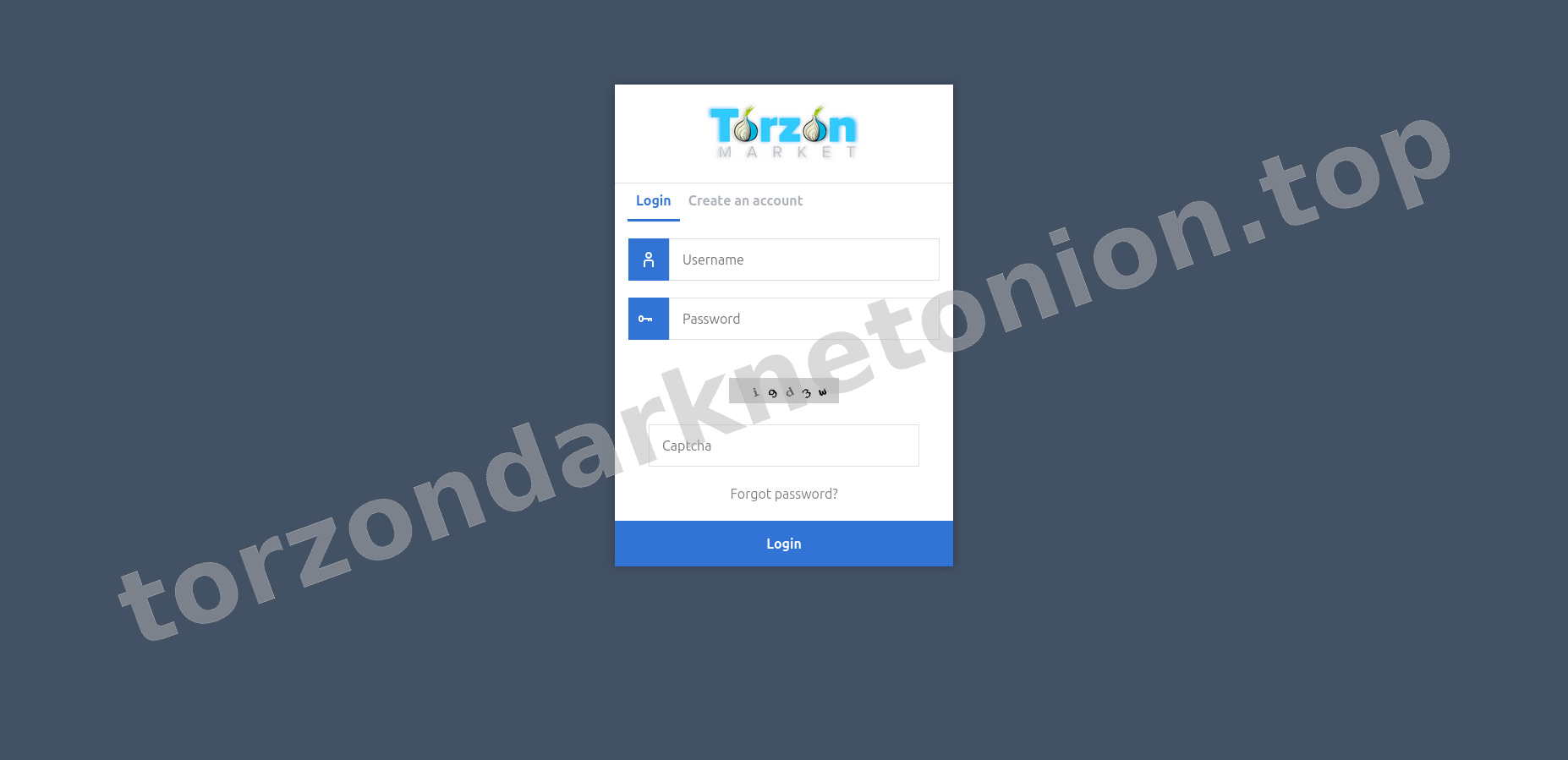
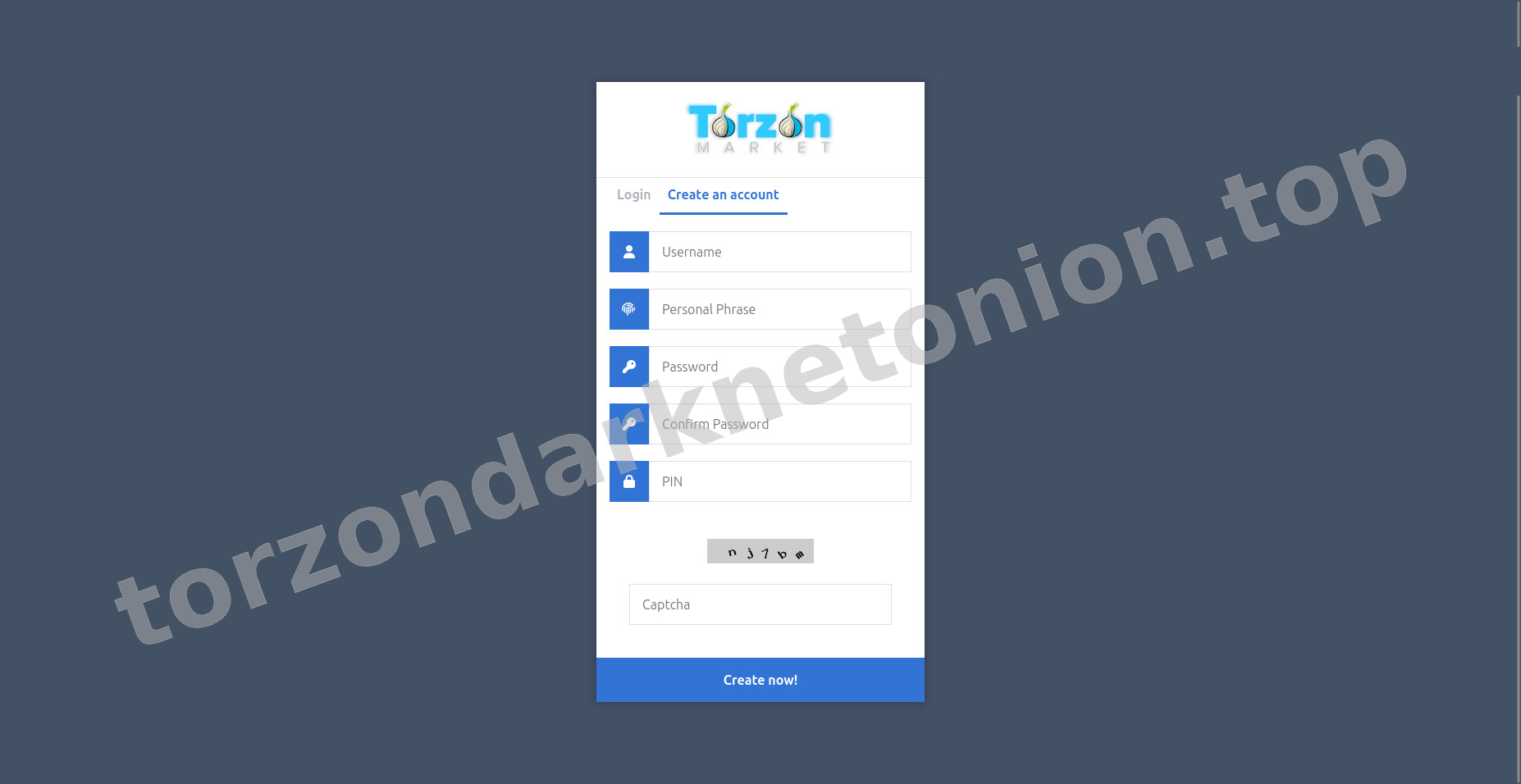
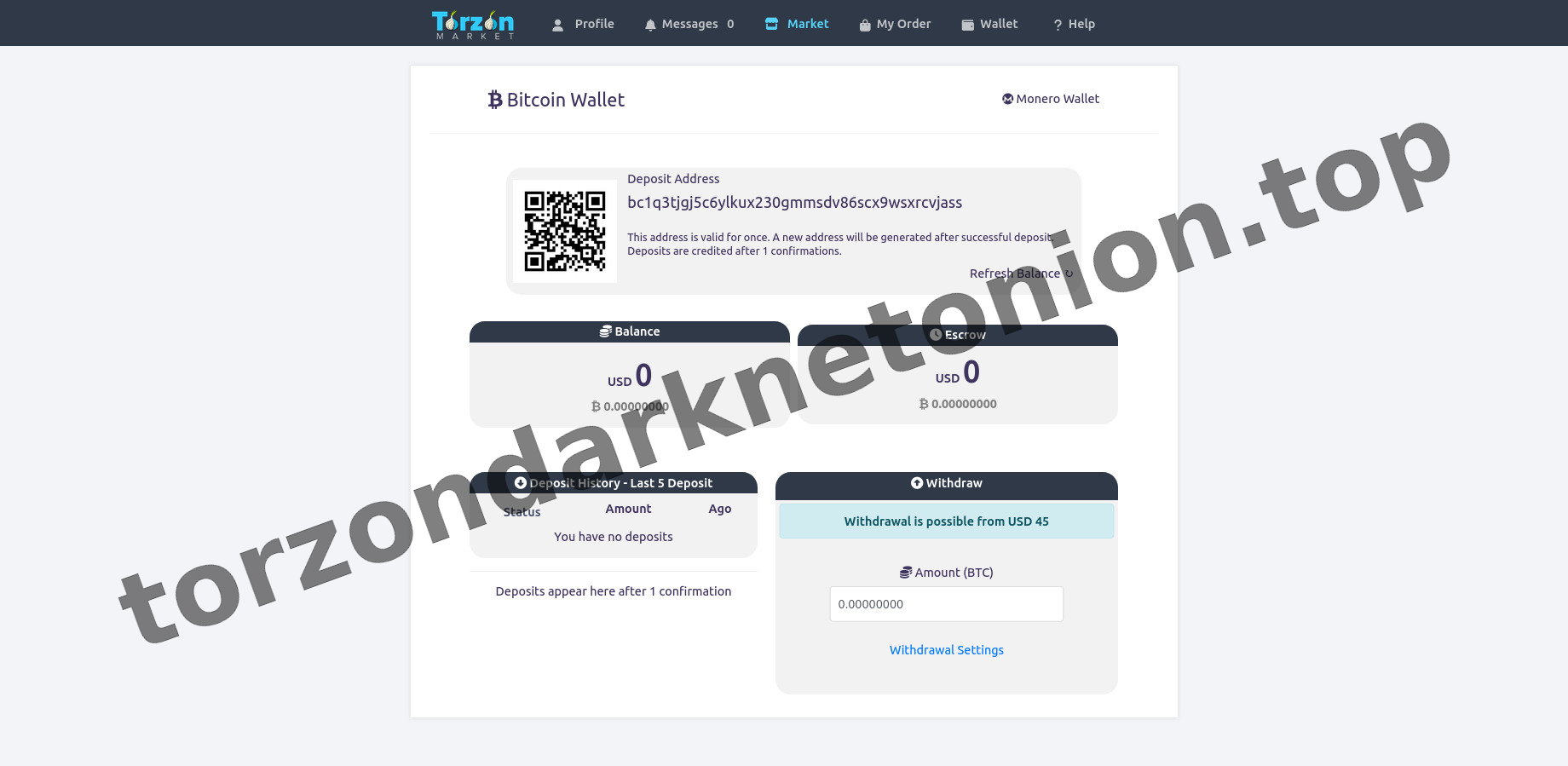
Visual documentation of the active front-end UI. These captures provide analysts and researchers insight into the user experience design required to navigate encrypted platforms.

Architecture Specs
Cryptographic Framework
PGP (Pretty Good Privacy) is mandatorily enforced for authorization flows and communication channels. Unencrypted messages are purged structurally by backend daemons.
Asset Protocols
Integration heavily favors XMR (Monero) exclusively. Bitcoin layer support was phased out to maximize ledger obfuscation and prevent chain-analysis charting.
Dispute Mechanics
Integrated Escrow mechanics isolate funds during standard transit times, requiring secondary cryptographic keys to release or refund network assets.
Network Statistics
Provider verification models mandate large financial bonds to mitigate systemic manipulation, establishing a high barrier to entry within the active participant ecosystem.